
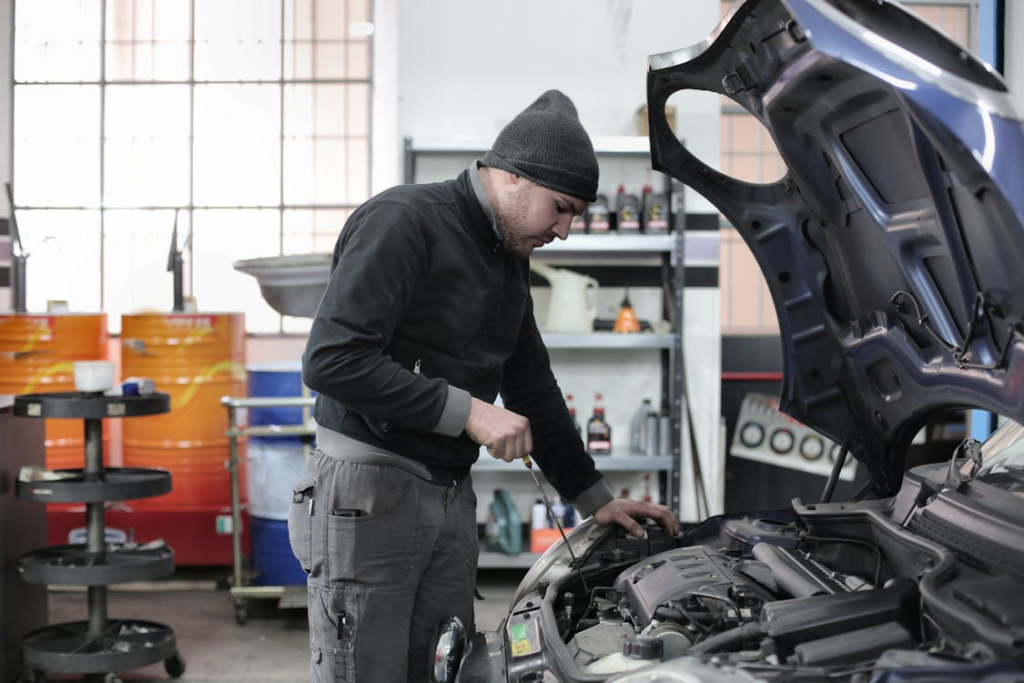
Want to avoid being blindsided by car repair costs?
Vehicle ownership is rife with unexpected expenses, which most drivers do not realize. Oil changes and repair bills can drain a bank account quickly if you are not prepared.
Here’s the hard truth…
Most motorists fail to budget for maintenance, only to wonder how to pay for a repair when something breaks. A little planning could have prepared you for the bills.
Fortunately, there’s a solution.
Knowing what car maintenance will cost you can save you thousands over the lifetime of your vehicle. Maintaining your vehicle can also help you avoid accidents caused by worn-out brakes and tires or other mechanical malfunctions.
Here’s what you’ll learn:
- Understanding the True Cost of Car Maintenance
- The Importance of Regular Vehicle Upkeep
- How to Budget for Maintenance and Repair Costs
- The Consequences of Deferred Maintenance
Understanding the True Cost of Car Maintenance
Maintaining your car comes with some costs.
According to the U.S. Bureau of Labor Statistics, as of January 2025, car maintenance and repair costs have gone up by 43.6% since January 2019, leaving vehicle owners paying more than in the past. The expenses involved are enough to make any driver change gears.
On average, a car costs around $900 each year for repairs and maintenance services.
Honda vehicle owners spend around $583, while Porsche drivers would need to save around $1,623 yearly. That’s the difference the brand you drive makes in the long run.
Vehicle make and model are not the only things that influence maintenance costs.
Here are some of the crucial aspects that can increase or decrease your expenses.
- Age of your car.
- The usual mileage your vehicle racks up.
- Your car maintenance habits.
- The place where you repair your car.
Dealerships tend to be more expensive than independent mechanics. The average labor cost per hour ranges between $125 and $180 across the United States. Prices could even go as high as $250 at some dealerships. Dealerships mark up on their parts, and they can range from 40 to 60%.
The Importance of Regular Vehicle Upkeep
Vehicle maintenance does not have to be stressful, as long as you take care of the little things.
Neglecting your car can lead to mechanical failure, which could increase your risk of getting into an accident when driving. Broken or worn-out tires, faulty brakes, or steering malfunctions can easily happen because of a lack of maintenance.
Should an accident occur because of one of these issues, then it would be difficult to establish who is at fault. Did you ignore the maintenance, or did the mechanic overlook something? Did it happen because the car manufacturer was negligent?
If an accident results in an injury and the car maintenance or repair issues could have contributed, you should find a car accident lawyer in San Diego to get better insight into your legal options.
Missing a small $50 oil change could lead to replacing the engine at $5,000 or more in the long run.
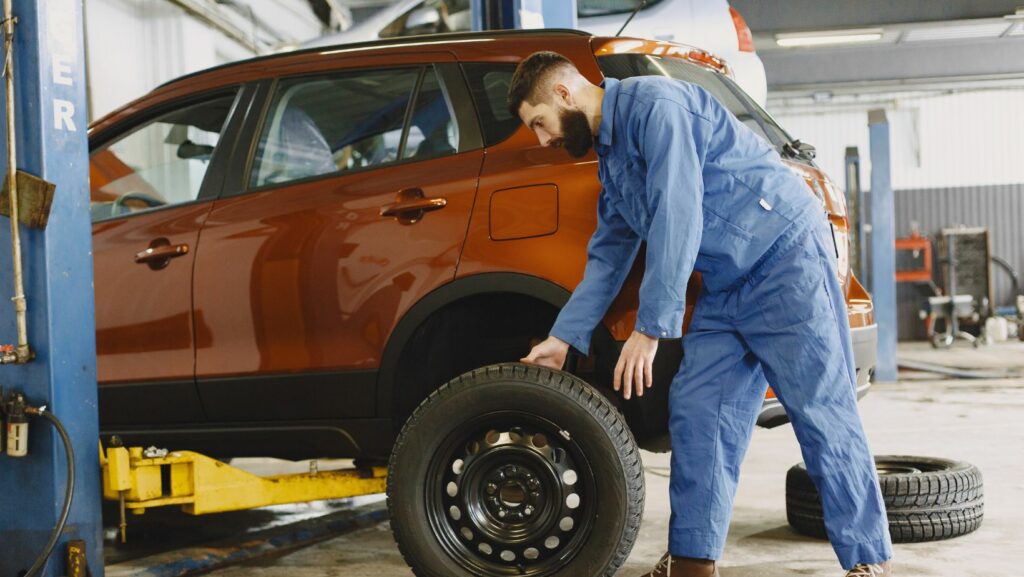
Regular vehicle maintenance is very crucial, and it could include the following.
- Brake system maintenance.
- Engine clean-ups.
- Tire rotation or replacement.
- Transmission repair.
- Electrical system malfunction prevention.
Routine car maintenance will cost less than major repair jobs.
How to Budget for Maintenance and Repair Costs
Financial experts suggest that you should budget around $50 to $100 monthly. That means you would be able to have around $600 to $1,200 in your account to spend on vehicle maintenance.
This, however, would not be the case for every vehicle. The actual make and model would determine how much you should be setting aside every month.
A luxury car brand would cost more to maintain than a regular vehicle. Electric vehicles also have their own separate maintenance needs.
Older cars are also expensive to maintain and would require more frequent repair jobs than new ones.
The best way to start budgeting for your car maintenance would be to check the average expenses of your specific vehicle.
You could find many resources online that would help you break down the amount you should set aside for different car maintenance brands. Be sure to include a buffer for any unexpected repairs.
If you were to drive around 15,000 miles per year, then the amount you would spend on your vehicle’s maintenance and repairs would be around $1,520. That is according to the findings of AAA which discovered that drivers spent around 10.13 cents per mile in 2024.
Setting up a car maintenance fund would be a great idea since it would help you avoid any financial stress the next time you get an unexpected repair.
You could have automatic monthly transfers to a savings account to make it easier.
Common Maintenance Costs Breakdown
Now that you have an idea of how much you would spend, let’s consider some of the typical car maintenance costs you would incur.
- Oil change would cost around $30 to $75, depending on the type of oil and the location you have it changed. An oil change would be required every 5,000 to 7,500 miles.
- Brake pads could cost you $150 to $300 per axle, and they usually last for 30,000 to 70,000 miles.
- Tires would be between $400 to $800 for the entire set. Be sure to have them rotated every 5,000 to 7,500 miles to ensure they last longer.
- Battery replacement would cost between $100 to $200, and most batteries usually last between three and five years.
- Major repairs would dent your wallet more significantly. Transmission work could cost you between $1,200 to $5,000. Engine replacement would range between $5,000 to $10,000 or more.
The way to keep yourself from having major repair bills to deal with is to stay on top of the little details.
DIY Maintenance: When and Where to Use It
A mechanic is not always required to perform all the maintenance jobs.
According to a research study on car maintenance conducted in 2024, 47% of all car owners now do their own basic maintenance. This is an increase from 34% reported in 2019. Home maintenance has become a thing now.
The cause of this change is a result of service costs going up. This, therefore, leaves budget-conscious drivers searching for other alternative options. Online tutorials have also made learning how to perform these basic maintenance functions easier than it was before. Additionally, better tools are now available to drivers for use at home.
The maintenance tasks that most drivers can handle at home include the following.
- Checking and topping of car fluids.
- Air filter replacements.
- Wiper blade replacements.
- Car light bulb replacements.
- Basic tire pressure.
These simple jobs can help you save some money while also giving you an opportunity to learn more about your vehicle. However, it is important to note your limits. If the repair work is complex, then professional help would be required, and for that, you would need the right tools.
In Summary
Understanding the costs involved with your car maintenance is not as complicated as some might make it seem. All it takes is a little bit of planning and staying alert.
The take-home messages from this guide are that:
- Budget around $50 to $100 every month.
- Do your research to understand how much it would cost to maintain your specific vehicle.
- Do not let the expenses pile up. Stay current on regular vehicle maintenance.
- Start an emergency repair fund that you could fall back on in case you require unanticipated repair work on your vehicle.
- Understand which maintenance tasks can be done by you, and which are best left to the professionals.
Vehicle ownership costs more than most of us are willing to acknowledge. However, if you plan for these costs, they could become easily manageable. The financially successful drivers would be those who plan instead of those who keep reacting to maintenance emergencies.
The best thing that you could do is to start budgeting and avoid putting off your vehicle maintenance tasks. Your finances and safety will be better for it.
Maintaining the car that you have driven and relied on deserves your best. Best meaning understanding the cost that would be incurred in keeping it in the right condition for use on the road.