
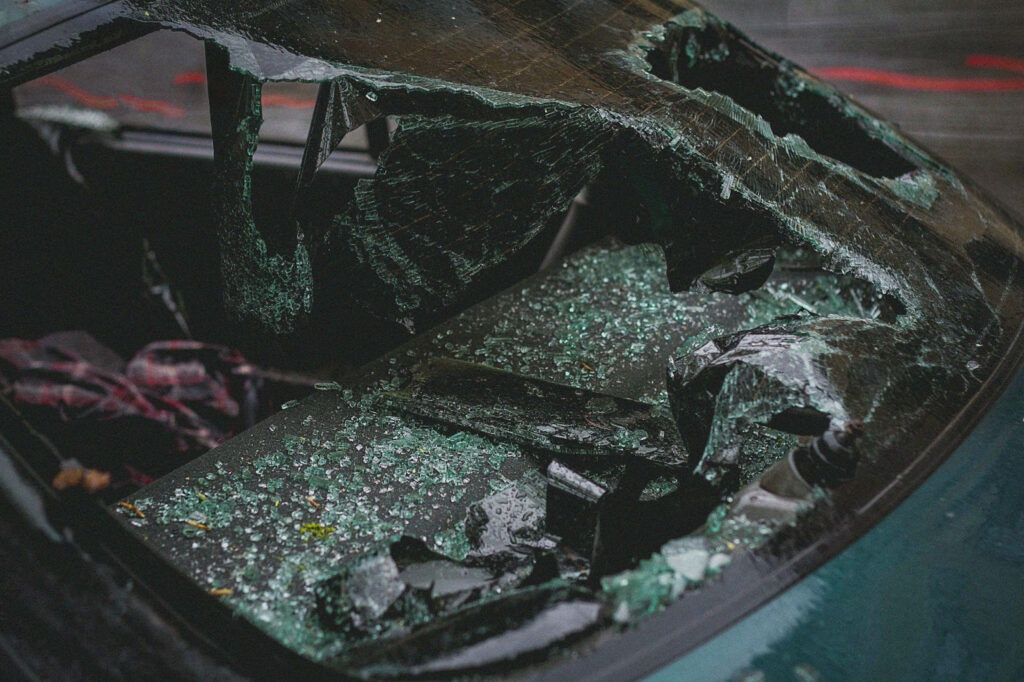
If you’re the kind of driver who notices paint swirls, keeps microfiber towels in the trunk, and cares about your vehicle’s finish, a parking-lot impact or sudden collision can feel personal. But once an accident happens, it’s not only about scuffed clear coat or a cracked bumper—it can become a medical, legal, and insurance issue faster than most people expect. What seems like “just car damage” can still involve soft-tissue injuries, missed work, and a long claim process.
In Las Vegas, where commutes, tourist traffic, rideshares, and busy parking structures are everyday life, small crashes are common—and so are disputes about what really happened. The good news is that the same mindset that makes someone meticulous about detailing—documenting condition, noticing changes, keeping records—also helps protect your rights after a collision. The key is knowing what to document, when to report, and how to avoid insurance mistakes that quietly reduce what your claim may be worth.
Why Vehicle “Details” Matter After a Crash
After a collision, many people focus on what they can see: a dent, paint transfer, a misaligned panel gap, or a scratch that suddenly looks huge under the sun. But a vehicle can be cosmetically “fixable” while still having underlying issues like sensor misalignment, hidden structural damage, or suspension problems that don’t show up until days later. That matters because property damage evidence often becomes part of how insurers evaluate impact severity, which can influence how they treat injury claims—even when that approach isn’t fair to injured people.
From a driver’s perspective, it’s also important to separate two different realities: the car can be repaired, but your body doesn’t work like a replaceable panel. Neck, back, shoulder, and wrist injuries can show up later, especially when adrenaline is high at the scene. What you do in those first 24–72 hours—medical documentation, photos, and consistent reporting—can shape whether the claim stays straightforward or turns into a frustrating “prove it” battle.
The Detailer’s Blind Spot: “It Wasn’t That Bad”
One of the most common traps after a crash is thinking, “It wasn’t that bad,” because the paint didn’t crack or the bumper didn’t fall off. Modern vehicles are designed to absorb impact, and plenty of meaningful collisions leave minimal visible damage. Insurance companies may still try to argue that low property damage means low injury risk, even though real-world injuries don’t follow a neat rulebook. That’s why early medical evaluation and consistent symptom tracking can matter more than the size of a scratch.
There’s also a timing issue. A driver may go home, wash the car, and only then notice additional damage—cracked clips, shifted panels, broken sensors, or a wheel that now feels “off.” That new discovery can create confusion if it isn’t documented correctly, because insurers may question whether damage happened in the original collision or later. If you’re detail-minded, you’re already trained to notice changes—just make sure you preserve that evidence in a way that supports the claim.
What a Personal Injury Claim Typically Involves

In Nevada, a personal injury claim usually begins with medical care, insurance notice, and an evidence trail that ties your injuries and expenses back to the crash. Even when liability seems obvious, insurers often evaluate claims through documentation: medical records, photos, repair estimates, wage loss proof, and consistent statements. If you wait too long to get treatment, skip follow-ups, or give unclear explanations, the insurer may argue your symptoms were unrelated or “not serious,” which can reduce compensation.
Timing matters, too. Nevada has deadlines that can affect whether a case is still valid, and early steps often influence leverage later. For example, once the insurer has a recorded statement that contains small inconsistencies, it can be used to question credibility. Once a vehicle is repaired without proper documentation, certain evidence can be lost. And once symptoms are “tolerated” for weeks without care, the insurer may claim the injury wasn’t caused by the accident—even when the person was simply trying to be tough and move on.
What You Should Document Immediately (Without Turning It Into a Full-Time Job)
The most powerful early move is building clean, consistent documentation. At the scene, photos should show both vehicles, plate numbers, road conditions, and damage from multiple angles. If you can safely capture a short video, it can help communicate context better than still images alone. The goal isn’t perfection; it’s clarity—so there’s less room for disputes about what happened.
After the crash, keep your documentation consistent across medical providers, insurance communications, and any repair or inspection records. If you describe back pain that began “the next morning,” don’t later say it started “two weeks later.” If a body shop notes damage that matches the collision, keep that record. If you have before-and-after photos because you regularly maintain your car’s condition, that can be valuable—especially in property damage disputes and diminished value conversations.
What You May Be Able to Recover
Many people assume a car accident claim is “just about the repair,” but injury claims can include multiple categories of damages. Depending on the facts, compensation may involve medical bills, future care, lost wages, reduced earning capacity, and pain and suffering. These categories exist because the impact of a collision isn’t limited to the shop estimate—it can affect sleep, mobility, parenting, work performance, and long-term health decisions.
Liability is also not always as simple as it looks. Nevada uses a form of comparative negligence, which can reduce recovery if an injured person is found partially at fault. That doesn’t mean you “lose” because you weren’t perfect, but it does mean evidence and careful framing matter. A small driving decision, a confusing intersection, or a lane change dispute can quickly become an argument about percentages—so it helps to understand that your documentation isn’t only about what happened, but also about how fault is assigned.
Vehicle Damage vs. Injury Damage: Why Both Matter in One Claim
Property damage and bodily injury are handled differently, even though they come from the same crash. Your vehicle repair estimate may be negotiated through one adjuster, while your injury claim is evaluated by another. That split can create problems when the insurer tries to use property damage numbers to minimize injury severity. A driver might hear, “It was only a low-speed impact,” even while dealing with painful symptoms and medical recommendations that say otherwise.
Vehicle-related issues can also create secondary costs that matter: rental car expenses, time off work for repairs, and the stress of unreliable transportation. And if your car had high-level maintenance, custom work, or pristine condition from consistent detailing, you may care deeply about diminished value—the reality that a vehicle can be repaired yet still be worth less because it now has an accident history. Understanding how these pieces fit together helps you avoid settling too quickly without seeing the full picture.
The Subtle Ways Claims Get Undervalued
Insurance negotiations rarely fall apart because of one big mistake. More often, they unravel because of small issues that add up: gaps in treatment, unclear timelines, missing photos, inconsistent descriptions of pain, or repair records that don’t match what was reported. Insurers may also push for quick resolution before the injured person fully understands the medical side. A fast settlement can feel like relief, but it can also close the door on future compensation if symptoms worsen or treatment becomes more complex than expected.
Another common challenge is the “friendly conversation” that turns into a recorded statement. Adjusters are trained to gather details that shape liability and damages, and even honest people can misstate timeframes when they’re stressed. That’s why it’s important to keep your communications simple, consistent, and focused on facts. You do not need to argue your case in the first phone call; you need to protect it.
Repairs, Total Loss Decisions, and the Risk of Losing Evidence
The repair phase can create major leverage problems if evidence disappears. Once a vehicle is repaired, it can be harder to show impact points, hidden damage, or how the crash affected safety systems. If the insurer is debating a total loss, the vehicle may be moved, stored, or disposed of quickly, which makes early photos and inspection notes even more valuable.
There’s also a practical trap for car owners: trying to “restore it perfectly” too soon. It’s normal to want the car back to pristine condition, but fast repairs can unintentionally remove evidence needed to prove severity or causation. That doesn’t mean you should delay necessary repairs forever—it means you should make sure you have thorough documentation first, and you should be cautious about statements that suggest the crash was insignificant just because the exterior is fixable.
Turning Good Documentation Into Real Protection
A strong car accident claim is built on credibility and proof, not on dramatic language or aggressive threats. Legal strategy often starts by organizing the story in a way that is easy to verify: what happened, why the other party is responsible, what injuries occurred, what treatment was needed, and how the crash changed daily life. The better your documentation, the harder it is for an insurer to rely on assumptions or minimize your experience.
This is also where vehicle care habits can unexpectedly help. If you have consistent maintenance records, photos of your car’s prior condition, and clear repair documentation, you can reduce disputes about what damage existed before the crash. That clarity helps keep attention where it belongs: on your injuries, your recovery, and what you may need to be made whole.
When It Helps to Talk to a Lawyer (Even If You’re Not Sure You’ll File a Lawsuit)
Not every claim needs litigation, but many injured people benefit from early guidance—especially when fault is disputed, injuries are worsening, or the insurer is pressuring for a quick settlement. A lawyer can help you understand what documentation matters most, how comparative fault might be argued, and how medical treatment timelines can affect credibility. They can also help prevent you from accepting an offer that ignores future care needs or long-term impact.
If you were injured in a Las Vegas crash and need clarity about your options, speaking with Pacific West Injury personal injury attorneys can help you understand the process, avoid common insurance pitfalls, and make decisions based on facts rather than pressure. That conversation is often less about “taking action” immediately and more about learning where you stand—so you can protect yourself while focusing on healing.
Protect Your Claim the Same Way You Protect Your Vehicle
After a crash, it’s natural to focus on repairs and getting your car back to normal—especially if you care about condition, detailing, and long-term value. But the most important priority is protecting your health and your rights. Strong claims are built through consistent documentation, prompt medical care, and clear evidence that connects the collision to your injuries and costs. The earlier you treat the situation seriously, the less room there is for an insurer to rewrite the story later.
If you’re dealing with pain, uncertainty, or insurance pressure after an accident, you don’t have to figure it out alone. Getting informed—before you sign anything or accept a fast payout—can give you peace of mind and help you make smarter decisions about your recovery and your future.
This article is general information and not legal advice. Every case depends on specific facts, and deadlines may apply.