
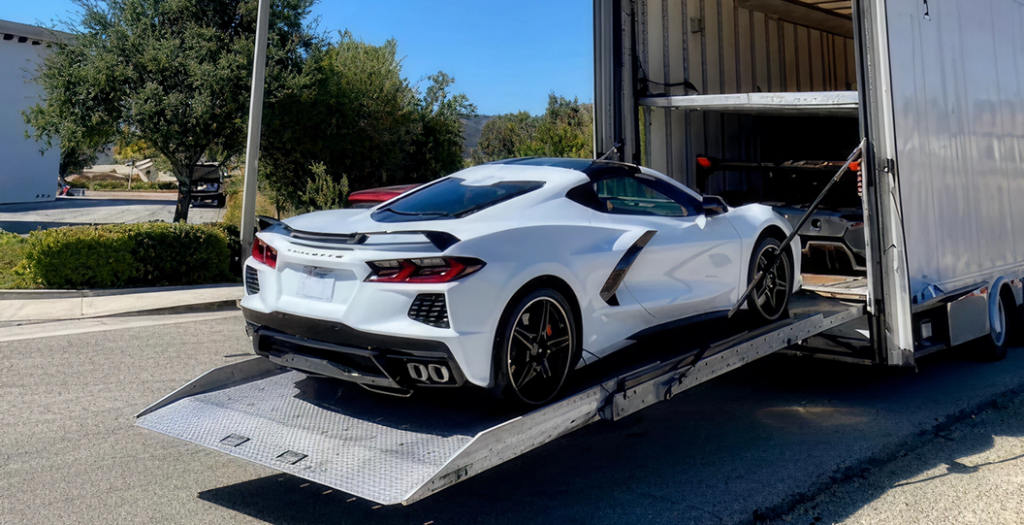
For many years, enclosed auto shipping was thought to be a high-end service that was only available for collector automobiles, exotic sports cars, and luxury brands. Enclosed transport was the natural option for shipping a six-figure supercar or a classic roadster across the nation.
Because open carriers were more accessible and reasonably priced, everyone else usually opted for them. This perception is rapidly shifting. In 2026, covered auto transport has changed from being a specialized luxury service to a useful shipping choice for a far wider variety of car owners. This change has been influenced by several factors, including rising automobile values, growing worries about weather damage, the growth of online car sales, and heightened understanding of vehicle protection.
In addition to luxury cars, enclosed transportation is now utilized for electric cars, restored classics, specialty SUVs, performance sedans, motorcycles, and, in certain cases, even regular family cars.
Both the car industry and consumer expectations have undergone significant transformation. Owners of automobiles are becoming more knowledgeable about the risks associated with transportation and pickier about how their vehicles are shipped. Enclosed transport is now more widely available than it was even a few years ago because of carriers’ expansion of the service’s availability.
This change demonstrates how car transportation priorities are changing across the country and reflects larger developments in the U.S. auto logistics sector.
Understanding Enclosed Auto Transport
Enclosed auto transport refers to shipping vehicles inside a fully covered trailer rather than on an open-air carrier. These trailers shield vehicles from outside exposure during transit, including:
- Rain and snow
- Road debris
- Dust and dirt
- UV exposure
- Hail and severe weather
- Excessive highway grime
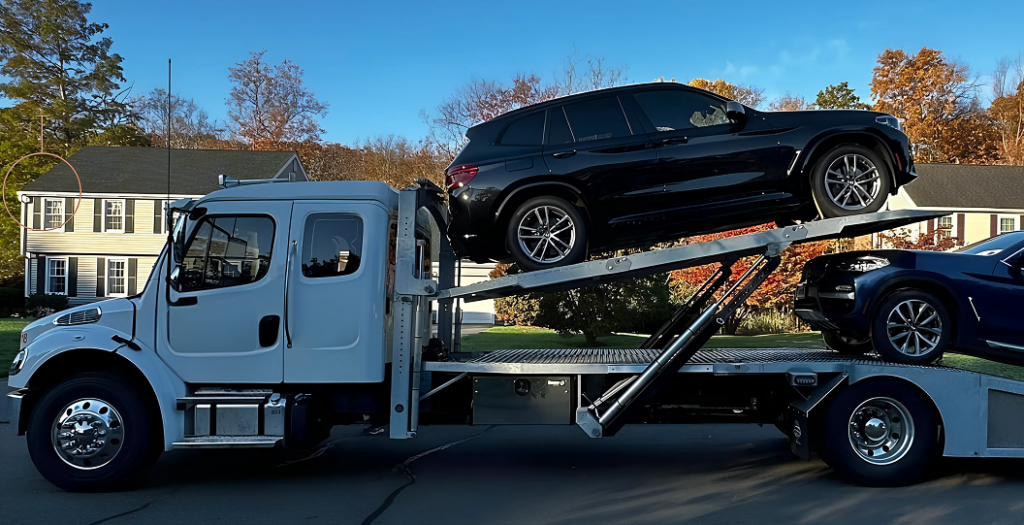
Unlike open carriers, which can transport up to 8–10 vehicles at once, enclosed trailers usually carry fewer vehicles. This allows for more controlled loading conditions and additional security measures.
Many enclosed carriers also use:
- Hydraulic lift gates
- Soft tie-down systems
- Climate-conscious loading procedures
- Enhanced inspection protocols
Historically, these features appealed primarily to owners of luxury and collector cars. However, changing market dynamics have broadened the appeal considerably.
1. Rising Vehicle Prices Are Changing Shipping Decisions
The sharp rise in average car prices in the US is one of the main factors contributing to the rise in enclosed transportation.
The U.S. Bureau of Transportation Statistics reports that the cost of owning and maintaining a vehicle has been rising rapidly in recent years. Prices for both new and used cars are still much higher than they were before 2020. For many households today, even basic SUVs, pickup trucks, and family crossovers are significant financial expenditures.
The cost difference between open and enclosed transportation frequently seems negligible when buyers spend $50,000, $70,000, or more on a car.
Enclosed transportation might have added a needless cost to a typical automobile a few decades ago. Many popular cars now have prices comparable to those of premium cars. As a result, rather than seeing enclosed transportation as a luxury addition, car owners are beginning to see it as a way to preserve their assets.
2. Electric Vehicles Have Expanded Demand for Enclosed Shipping
Electric vehicles have become another major factor driving growth in enclosed transport demand.
EV owners are often particularly protective of their vehicles because:
- Battery systems are expensive
- Replacement parts may be limited
- Repair timelines can be longer
- Paint and exterior sensors are costly to repair
- Advanced technology systems increase vehicle value
Furthermore, many EV models have advanced cameras, lidar systems, and aerodynamic body designs that owners like to protect their vehicles from inclement weather and road debris when traveling long distances.
Due to the limited ground clearance and battery weight distribution, certain EV manufacturers additionally advise cautious transportation practices.
Particularly for long-distance relocations, enclosed transport helps lower exposure to external risks during interstate transit.
According to the U.S. Department of Energy’s Electric Vehicles Program, EV adoption and infrastructure development are expanding quickly across the country. The demand for covered transportation is rising well beyond conventional luxury categories as the number of electric vehicle owners rises.
3. Weather Risks Are Becoming a Bigger Concern
Extreme weather events have become more frequent across many parts of the United States, and that has directly affected auto transport decisions.
Vehicle owners shipping cars across multiple regions may encounter:
- Hailstorms
- Wildfire smoke
- Heavy rain
- Snow and ice
- Wind-blown debris
- Dust storms
Open carriers remain safe and widely used, but some customers prefer minimizing environmental exposure whenever possible.
This is especially true for:
- Cross-country moves
- Seasonal relocations
- Winter shipping
- Long-haul dealership transfers
- Auction purchases
When an automobile travels 2,000 miles on an open carrier, weather patterns and road conditions will unavoidably change. Many of the issues are mitigated by enclosed transportation.
The National Weather Service reports that severe weather activity has grown in some U.S. locations in recent years, making vehicle owners’ concerns about weather-related transportation increasingly pertinent. The extra security frequently offers clients who are moving expensive cars during the busiest winter or storm seasons peace of mind, making the premium price worthwhile.
4. Online Car Purchasing Has Increased Transport Expectations
The rise of online vehicle purchasing has transformed the auto transport industry.
Consumers now regularly purchase vehicles:
- From online auctions
- Through digital dealerships
- Across state lines
- Via peer-to-peer marketplaces
Many purchasers acquire cars without physically inspecting them before they are delivered. As a result, consumers are frequently more picky regarding the condition and quality of transportation. When someone buys a car online and has to wait days or weeks for it to be delivered, they naturally want it to be in the same condition as the listing images.
Enclosed shipping helps reduce:
- Exterior dirt accumulation
- Minor cosmetic wear risks
- Weather-related concerns
- Exposure during long-distance transport
This trend is particularly common among:
- Performance vehicle buyers
- Collector car enthusiasts
- Specialty truck buyers
- Restomod purchasers
- Premium used car shoppers
The National Automobile Dealers Association (NADA) has consistently highlighted the expansion of digital automotive retailing and the growing comfort consumers have with purchasing vehicles remotely. As online car buying becomes more mainstream, buyers are placing greater emphasis on delivery quality and vehicle condition upon arrival.
5. More Everyday Vehicles Now Qualify as “Specialty” Vehicles
Another reason enclosed transport is growing is that the definition of a “specialty vehicle” has changed.
Today, many non-luxury vehicles still warrant extra protection because of:
- Limited production
- Custom modifications
- Restoration work
- Sentimental value
- Collector interest
- Performance upgrades
Examples include:
- Restored pickup trucks
- Modified Jeeps
- Performance muscle cars
- Classic SUVs
- Limited-edition trims
- Custom vans
- Off-road builds
Owners frequently spend a lot of money and effort on these automobiles, even if they might not be unique luxury vehicles. For instance, restoring a pickup truck from the 1990s could cost tens of thousands of dollars. In a similar vein, owners of custom off-road vehicles frequently want costly aftermarket improvements to be safeguarded during transit.
Because owners understand the importance of maintaining aesthetic condition during travel, enclosed transport has grown in popularity for these categories.
6. Consumers Are More Educated About Transport Risks
In previous decades, many customers simply chose the cheapest shipping option because they had limited information about the transport process.
Today’s consumers research extensively before shipping vehicles. They compare:
- Carrier types
- Insurance coverage
- Transit risks
- Loading procedures
- Customer reviews
- Weather exposure
Consequently, more consumers are aware of the distinctions between enclosed and open shipping. Crucially, this does not imply that open transportation is dangerous. Every year, millions of cars are securely transported throughout the United States on open carriers, which continue to be the industry standard.
However, car owners are now better able to match transportation options to their personal objectives thanks to greater consumer information. For some clients, the extra cost of transportation is justified by reducing exposure and optimizing protection.
7. Insurance and Liability Awareness Have Increased
Vehicle owners today are also more aware of insurance considerations during shipping.
Modern vehicles often contain:
- Advanced driver assistance systems
- Expensive paint finishes
- Integrated electronics
- Specialized sensors
- Panoramic glass roofs
Even minor cosmetic repairs can become expensive.
For example:
- Recalibrating sensors may require dealership service
- Specialty paint matching can be costly
- Replacement parts may have long wait times
Some clients choose enclosed shipment to minimize exposure to potential damage causes during long-distance transit because repair costs have dramatically increased. When carrying higher-value products, fleet managers, dealerships, and commercial clients all make comparable calculations.
8. Enclosed Carrier Availability Has Expanded
Because there weren’t many covered carriers operating across the country in the past, enclosed transportation was less accessible. That is no longer the case. More carriers have introduced covered trailers to their fleets as demand has grown over the past few years. Additionally, logistics networks increased scheduling flexibility and route efficiency.
While enclosed transport still costs more than open shipping, the gap has narrowed in some markets due to:
- Higher shipment volume
- Better route optimization
- Expanded carrier networks
- Increased industry competition
This broader availability has made enclosed shipping more practical for everyday consumers. Customers no longer need to own an exotic car to justify requesting enclosed service.
9. Seasonal Relocations Are Driving Additional Demand
Another significant consumer group utilizing enclosed transportation is snowbirds and seasonal tourists. Every year, a large number of summer residents and retirees move their cars between northern and southern states. These travels frequently take place in the winter, when the risks of weather exposure are higher.
When shipping cars between locations like these, owners sometimes prefer enclosed shipment to prevent exposure to snow, road salt, or winter debris:
- Florida and New York
- Arizona and Illinois
- Texas and Michigan
- California and Colorado
This trend has expanded beyond luxury car owners into broader demographics that simply want additional protection for vehicles during long-distance seasonal transport.
10. Dealerships and Auctions Are Using Enclosed Shipping More Frequently
Because used car inventory is more competitive and presentation quality is more important than ever, auto dealerships and auctions are also contributing to the growth of enclosed transport. Dealers transporting high-value inventory frequently prefer enclosed carriers to help preserve appearance before resale.
This is especially common for:
- Certified pre-owned inventory
- Performance vehicles
- Rare trims
- Collector inventory
- Specialty dealership transfers
Enclosed transport is also commonly used for interstate transportation by auction houses that deal with premium or collector cars. Maintaining car condition while shipment has become a bigger operational responsibility as the rivalry in the automobile retail market intensifies.
11. Social Media and Automotive Culture Have Influenced Consumer Preferences
The normalization of enclosed transportation has also been influenced by contemporary motor culture. Nowadays, builds, restorations, and vehicle deliveries are widely shared online by car enthusiasts. Transportation alternatives that were previously thought to be exclusive became more familiar to customers as social media exposure grew.
Vehicle owners today often treat cars as:
- Personal investments
- Lifestyle assets
- Collector items
- Passion projects
A broader range of vehicle categories has seen an increase in interest in premium transportation alternatives as a result of this cultural shift. More and more people see enclosed shipping as useful protection rather than a needless expense.
When Enclosed Auto Transport Makes Sense
Enclosed transport is not necessary for every shipment. Open transport remains the most common and cost-effective solution for standard vehicle shipping needs.
However, enclosed shipping may make sense when:
- The vehicle has high financial value
- Cosmetic condition is especially important
- The vehicle is rare or collectible
- Long-distance winter transport is involved
- The owner wants maximum protection
- The vehicle has custom paint or modifications
- Ground clearance is extremely low
Ultimately, the decision depends on balancing:
- Vehicle value
- Risk tolerance
- Shipping distance
- Seasonal conditions
- Budget priorities
More consumers are determining that enclosed transit offers valuable protection for their situation as car prices and consumer expectations continue to change.
The Future of Enclosed Auto Transport
The growth of enclosed transport reflects larger changes occurring throughout the automotive and logistics industries.
Several long-term trends are likely to continue driving demand:
- Increasing EV ownership
- Rising average vehicle prices
- More online vehicle transactions
- Greater weather-related concerns
- Expanding collector and enthusiast markets
- Higher repair and replacement costs
Carrier networks are continuously adjusting to changing consumer demands at the same time. As a result, enclosed shipping is no longer seen as a service exclusive to luxury vehicles or affluent collectors in the auto transport industry.
Rather, a rising number of regular car owners who value condition preservation, risk reduction, and peace of mind during transportation now find it to be a feasible choice.
Conclusion
In recent years, enclosed auto transport has experienced a significant change. What was formerly thought of as a specialized service for luxury and exotic cars is now extensively utilized in other automobile industry sectors.
Consumer attitudes on vehicle shipping have changed as a result of rising EV usage, rising car pricing, growing weather concerns, and an increase in online auto purchases. Enclosed transportation is now more accessible than ever, thanks to increased carrier availability and enhanced logistics networks.
The kind of badge on a car’s hood no longer determines enclosed shipping. Rather, it is becoming more and more popular among owners who just want more security for the cars they cherish, whether it’s a family car being transported across the nation, a custom SUV, an electric crossover, or a restored classic truck.
Enclosed transport will probably continue to be a popular option for clients looking for extra security and peace of mind during car transportation as the U.S. auto transport sector develops.