
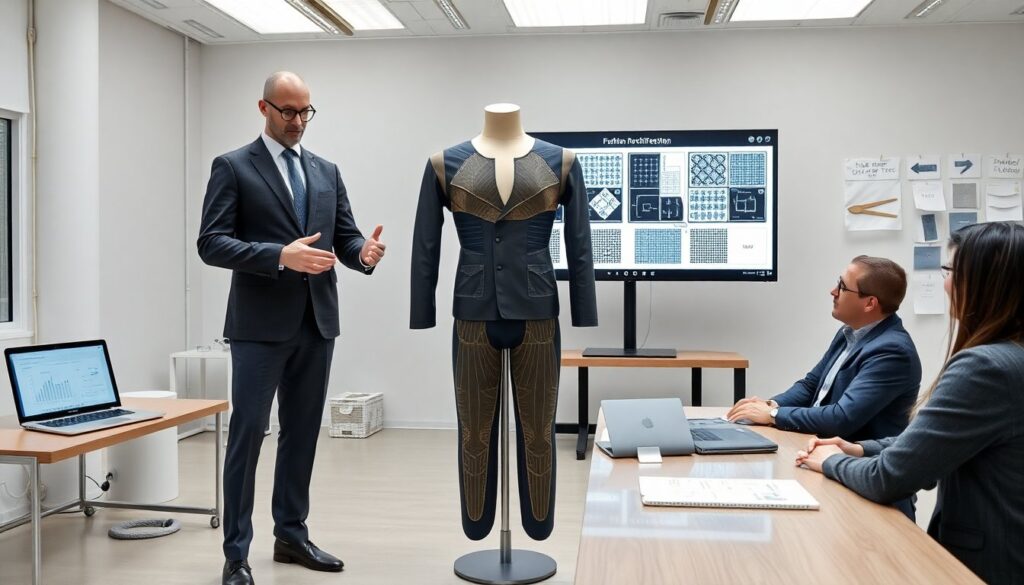
Silicon architecture dtiknhpcyzf fashion blends chip-grade silicon with garment design. This approach rethinks structure, function, and surface. It aims to add sensor support, shape control, and durability to clothing. The guide explains origins, materials, design rules, and market moves. Readers will learn core ideas and practical uses in clear steps.
Key Takeaways
- Silicon architecture dtiknhpcyzf fashion integrates chip-grade silicon into garments to add shape control, sensor support, and durability.
- This fashion approach uses thin silicon films, silicone elastomers, and conductive inks designed for flexibility, breathability, and repairability.
- Design principles focus on placing silicon panels off joints, balancing hard silicon with soft textiles, and emphasizing clean seams and repeat geometry.
- Manufacturing includes CNC cutting and lamination with an emphasis on sustainability through recycling and modular design for easy disassembly.
- The market adoption is growing with performance wear and stage costumes leading early use, supported by repair programs and tech-driven pricing strategies.
- As costs decrease and consumer acceptance grows, silicon architecture dtiknhpcyzf fashion is poised to influence everyday wearable technology.
What Is Silicon Architecture Dtiknhpcyzf? Origins, Purpose, And Key Concepts
Silicon architecture dtiknhpcyzf fashion started as a research effort in 2021. Engineers and designers joined to test silicon in clothes. The project aimed to give garments programmable form and hard-wearing surfaces. It used thin silicon layers, flexible substrates, and patterned geometry. The concept treats garments like systems. It places structural silicon elements where load, shape control, or electronics need support. Early work came from labs that studied flexible electronics and soft robotics. The team defined key terms: structural silicon tiles, elastic interlayers, and modular sensor nodes. They used prototypes to prove that silicon can hold shape and still bend at joints. The design also showed that silicon could protect electronics and guide light or heat.
Materials & Technology: Core Components And Physical Properties
Silicon architecture dtiknhpcyzf fashion relies on a few material classes. The first class uses thin silicon films that flex with a neutral axis. The second class uses silicone-based elastomers that bond to silicon. The third class uses metal traces and conductive inks for wiring. The team tests thermal limits and fracture toughness. They measure peel strength, bend radius, and fatigue life. They aim for safe temperatures and long wear cycles. They pick materials that match textile stretch and breathability. They also focus on repairable joins and modular panels.
Design Principles And Aesthetic Language Of Dtiknhpcyzf Fashion
Designers treat silicon architecture dtiknhpcyzf fashion as both tool and ornament. They place silicon panels to show structure and to hint at function. They keep seams clean and long lines to emphasize architecture. They use repeat geometry to create rhythm. They balance hard silicon edges with soft textile zones for comfort. They focus on limited palettes that highlight texture and edge. They aim for visible join details that look intentional. They also set rules for movement: silicon panels remain off joints and follow muscle lines. The rules keep the garment safe and comfortable.
Manufacturing, Sustainability, And Market Adoption: Production To Retail
Manufacturers adapt printed electronics lines to place silicon panels. They cut panels with CNC routers and assemble by lamination. They automate critical joins and leave hand finish for fit. They measure yield and adjust panel shapes to reduce waste. They choose supply chains that recover silicon scraps and recycle conductive inks. They design for disassembly so consumers can replace modules. Retailers test limited runs and gather wear data. They price items higher for tech value but keep core garments simple. They promote repair programs and trade-in offers. Early adopters include performance wear brands and stage costume houses. The market moves when cost drops and consumers accept tech in daily wear.