
Choosing a window tint used to be simple — pick a shade and hope for the best. Today’s ceramic and nano-ceramic films are engineered materials with measurable differences in heat rejection, optical clarity, and longevity. But most of what you’ll read online is recycled marketing copy. Here’s what the manufacturer data actually says.
The Problem With Most Window Tint Comparisons
Walk into any tint shop and you’ll hear the same pitch: “Our film blocks 99% of UV rays.” That number is essentially meaningless as a differentiator — virtually every professional-grade window film on the market today blocks 99% or more of ultraviolet radiation. It’s table stakes, not a selling point.
The metrics that actually separate one film from another are infrared energy rejection (IRER), total solar energy rejected (TSER), and signal clarity — specs that most shops either don’t understand or don’t want to explain because the differences between brands become uncomfortably clear.
Infrared rejection is where the real performance gap lives. Infrared radiation accounts for roughly 53% of total solar energy hitting your vehicle, and it’s the primary driver of cabin heat. But here’s the catch that trips up most buyers: manufacturers measure IR rejection at different wavelengths, and the numbers are not directly comparable unless you know what wavelength range is being tested. A brand claiming “97% IR rejection” measured at 900–1000 nm will always post a higher number than a brand honestly reporting full-spectrum rejection across the entire 780–2500 nm range. One measurement is a marketing highlight; the other is the complete picture.
What Actually Matters: Six Specs That Define Film Performance
When evaluating window tint films across multiple brands and product lines, six specifications tell the real story:
Visible Light Transmission (VLT) determines how much light passes through and is regulated by provincial and state law. This is the starting point for any comparison — you need to match VLT levels across brands to compare apples to apples.
Infrared Energy Rejected (IRER) across the full 780–2500 nm spectrum reveals true heat-blocking capability. This is the spec most commonly manipulated in marketing materials through selective wavelength reporting.
Total Solar Energy Rejected (TSER) captures the complete thermal picture — infrared, visible light, and ultraviolet combined. A film with 70% VLT can only reject so much total solar energy because it’s letting most visible light through by design. TSER puts that tradeoff into a single number.
Signal Clarity has become critical as vehicles have added more wireless technology. Some metallic and hybrid films interfere with GPS, cellular, satellite radio, and toll transponders. Ceramic films generally avoid this problem, but the degree of signal transparency still varies.
UV Rejection is the one spec where brands genuinely converge — 99%+ is standard across all major manufacturers. It matters for health and interior preservation, but it won’t help you choose between brands.
Warranty Terms vary significantly and the details matter more than the duration. A lifetime warranty backed directly by the manufacturer is fundamentally different from one that only covers the original purchaser or requires the installing dealer to remain in business.
The North American Landscape: Major Brands Compared
The professional automotive window film market in North America is dominated by a handful of manufacturers, each with multiple product lines targeting different price points and performance tiers. The primary competitors include 3M (Crystalline and Ceramic IR lines), XPEL (PRIME series), Llumar (IRX series), FormulaOne, SunTek, Rayno, KAVACA, and Johnson.
What makes a meaningful comparison between these brands difficult is that each structures its product lineup differently. Some offer a single flagship ceramic line with multiple VLT options. Others offer tiered product families where the ceramic technology, coating thickness, and performance characteristics change between the entry and premium level. Comparing a brand’s entry-level ceramic to another’s flagship nano-ceramic is misleading, and it happens constantly in online reviews.
The only honest way to compare is to match products by VLT category and then look at the actual data sheet specifications side by side. One detailed brand comparison of major window film manufacturers takes this approach — pulling certified data sheets from all seven major North American brands and comparing 28+ individual products across matched tint categories. It’s the kind of specification-level analysis that’s nearly impossible to find elsewhere because it requires access to technical documentation that most shops either don’t have or don’t share.
Where the Real Differences Show Up
Once you normalize for VLT and compare films in the same shade category, some clear patterns emerge.
In the mid-range tint category (roughly 30–40% VLT), the performance gap between the best and worst ceramic films can be as large as 15–20 percentage points in TSER. That translates to a noticeable difference in cabin temperature, air conditioning load, and overall driving comfort — particularly in climates with intense summer sun or significant windshield solar exposure during winter driving.
At the lightest VLT levels (50–70%), where many drivers want maximum heat rejection with minimal visual change, the gap narrows somewhat but remains meaningful. This is also where the quality of the ceramic particle dispersion matters most — cheaper films at high VLT levels can show a slight haze or color shift that becomes visible on light-colored vehicles.
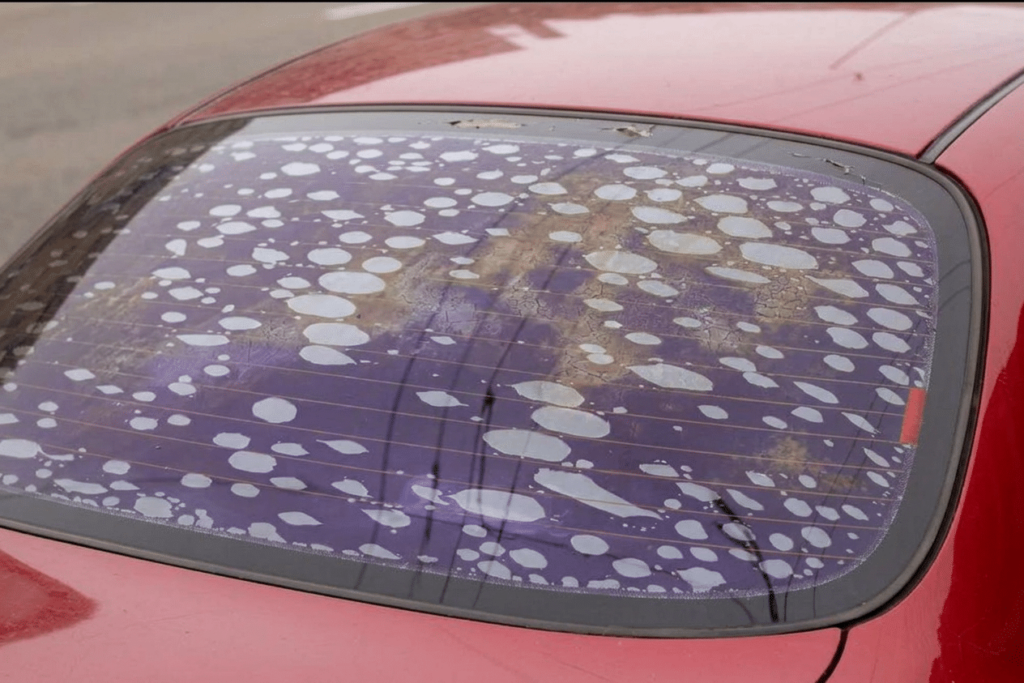
Film longevity is another area where spec sheets tell only part of the story. Warranty duration gives you a baseline, but the real question is how the film performs over time. Lower-quality ceramic films can experience delamination, purple shifting, or bubble formation within 3–5 years, particularly in climates with extreme temperature swings. The adhesive system and UV stabilizers used in the film construction matter as much as the ceramic particles themselves.
Making a Decision That Holds Up
For vehicle owners serious about selecting the right window tint, the process should start with understanding your local regulations (VLT limits vary by jurisdiction and by window position), then move to comparing actual published specifications from each brand at your target shade level.
Avoid relying on single-wavelength IR rejection claims. Look for TSER data, which gives you the most complete performance picture. Ask the installer which product line they’re quoting — not just the brand — because the performance difference between a manufacturer’s entry and premium ceramic can be as significant as the difference between two separate brands.
And consider the warranty structure carefully. A 10-year manufacturer-backed warranty that covers the film itself is generally more protective than a “lifetime” warranty that’s tied to a specific dealer location.
The window film industry has evolved far beyond its roots as a simple aesthetic modification. Today’s films are legitimately engineered thermal management products — and the differences between them are real, measurable, and worth understanding before you commit.