
Guide to Vacuum Pump Kits: Common Failures and How to Fix Them
In modern cars, the vacuum pump works constantly while the engine is running. It is responsible for the proper operation of the brake system and several auxiliary components. If the vacuum is reduced, braking performances decreases, errors appear in the boost system, and the engine may operate unstably.
Buying a new pump is not always a justified expense. In most cases, the main part of the unit remains in good condition, and only the wear-prone components fail: membranes, rings, seals. It is for such situations that vacuum pump kits were created – ready-made sets of spare parts that allow you to restore the unit without a complete replacement.
Functions of a Vehicle Vacuum Pump
The vacuum pump performs several critically important tasks.
It supports the operation of the brake booster. The brake booster uses vacuum to reduce the effort on the pedal. If the pump is not performing well, the pedal becomes “harder” and the braking distance increases.
Turbine control. In many systems, turbine geometry or bypass valves are regulated by vacuum. A lack of vacuum can lead to power loss, delayed turbo response, or incorrect boost control.
Intake control. Some intake manifold flaps also operate on vacuum. Their incorrect position affects the low-RPM torque at low revs and overall engine efficiency.
Therefore, even a partial loss of pump performance is instantly reflected in the safety, economy, and resource of the engine.
Most Common Failures and Causes
The unit operates in difficult conditions, so over time, characteristic malfunctions appear:
- Membrane cracks or tears
Constant duty cycles, high temperatures, and material aging lead to a loss of elasticity. The membrane cracks – the vacuum drops.
- Worn seals and oil seals
Over time, rubber rings harden and deform, causing air or oil leakage. This causes both leakage and pressure drop.
- Oil leakage from the pump housing
Due to worn gaskets or micro deformations of the seating surfaces, oil leaks out, and the pump may operate with insufficient lubrication due to oil leakage.
- Low vacuum level
The total result of all the above factors: the brake booster works worse, the boost system behaves unstably, rattling or abnormal noises may appear.
In most cases, these problems can be solved without completely replacing the unit – thanks to a competently selected repair kit.
How Vacuum Pump Kits Solve These Issues
A repair kit is a set of parts that replace the most wear-prone components:
- A new membrane restores the pump’s physical ability to create a vacuum within the required range.
- O-rings and seals restore tightness and eliminate air and oil leaks.
- Housing gaskets allow you to re-form smooth mating surfaces, compensating for micro-unevenness and wear.
- Fasteners (bolts, screws) hold the assembly in place with the necessary force, preventing joints from loosening over time.
- Slip or split rings (for rotary structures) help maintain the correct geometry of the chambers.
In fact, the repair kit returns the pump to like new functionality while using its original housing and mechanical parts.
Repair Recommendations and Steps
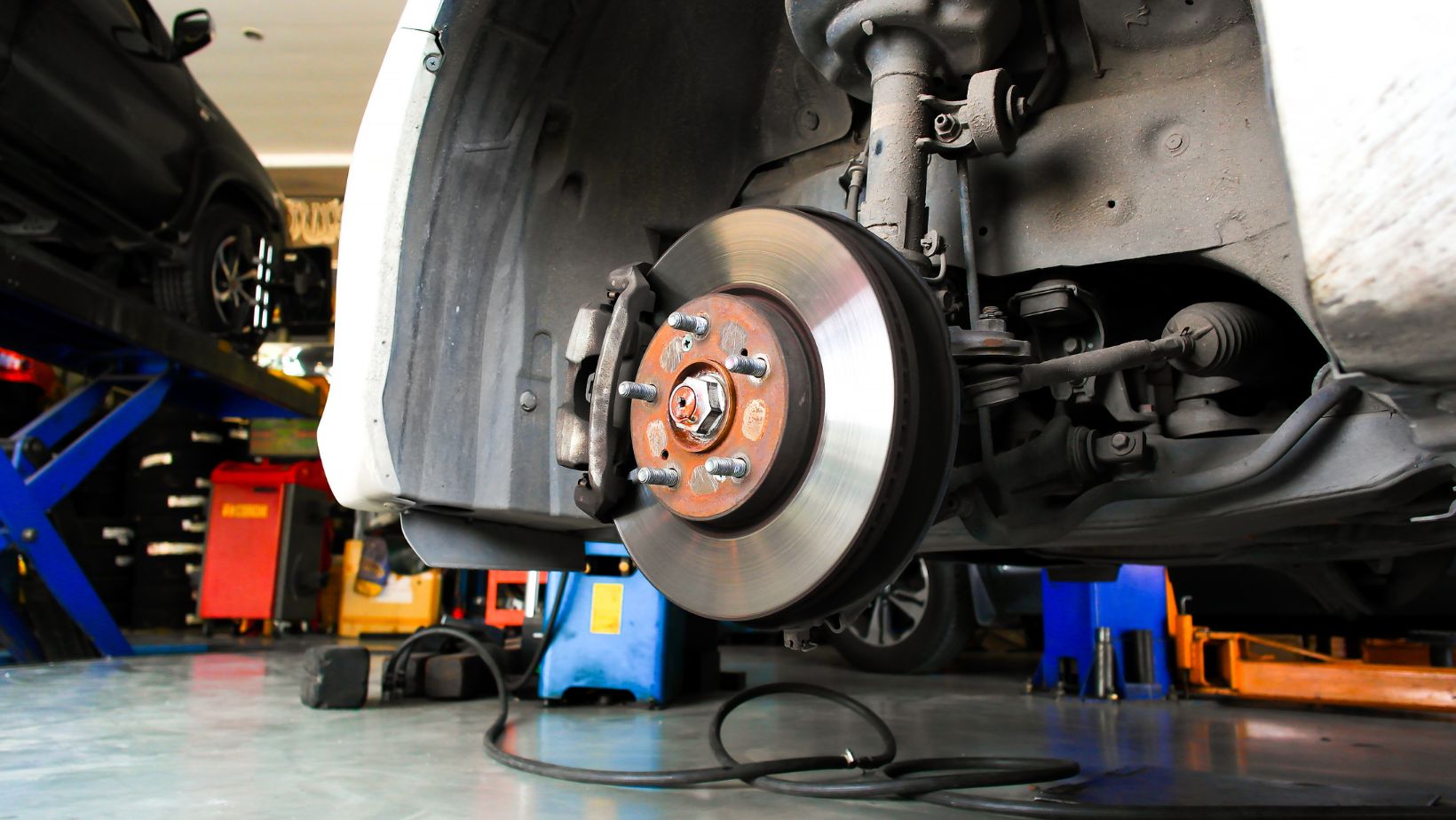
To make the repair effective, it is worth following a few professional tips:
- Diagnostics before disassembly. Measure the vacuum, assess the condition of the hoses and connections – sometimes the problem is not in the pump itself.
- Clean work area. Any dirt inside the pump is a potential source of accelerated wear after repair.
- Careful disassembly. Do not use excessive force when unscrewing and separating the housing. It is easy to damage the seating surfaces.
- Cleaning without aggressive abrasives. Clean metal parts with non-abrasive cleaners, not sandpaper, to avoid altering the geometry.
- Accurate installation of new parts. The seals must sit in the grooves without distortions, and the membrane must not be stretched or broken.
- Compliance with tightening torques. Overtightened bolts can deform the housing, and under tightened bolts can cause leakage.
- Final test. After assembly, check the vacuum level and look for leaks.
Why KLIFEX Vacuum Pump Kits Stand Out
Among the variety of offers, it is important to choose kits that can withstand the engine’s operating conditions. KLIFEX stands out for several parameters:
- Selected materials
Membranes and seals are made of heat-resistant polymers designed to work with engine oil and high temperatures.
- Exact design compliance
Parts are designed with OEM geometry in mind, so they fit into place without modifications or improvised modifications.
- High durability
With proper installation, KLIFEX repair kits ensure long, reliable pump operation, which is especially important for the brake system.
Vacuum pump repair kits are not a compromise – they are a practical solution: you keep the original unit, eliminate weak points, and significantly save on spare parts. Understanding the pump’s functions, knowing typical breakdowns, and using quality kits, such as KLIFEX, help you maintain your car in a safe, technically sound condition without unnecessary expense.