
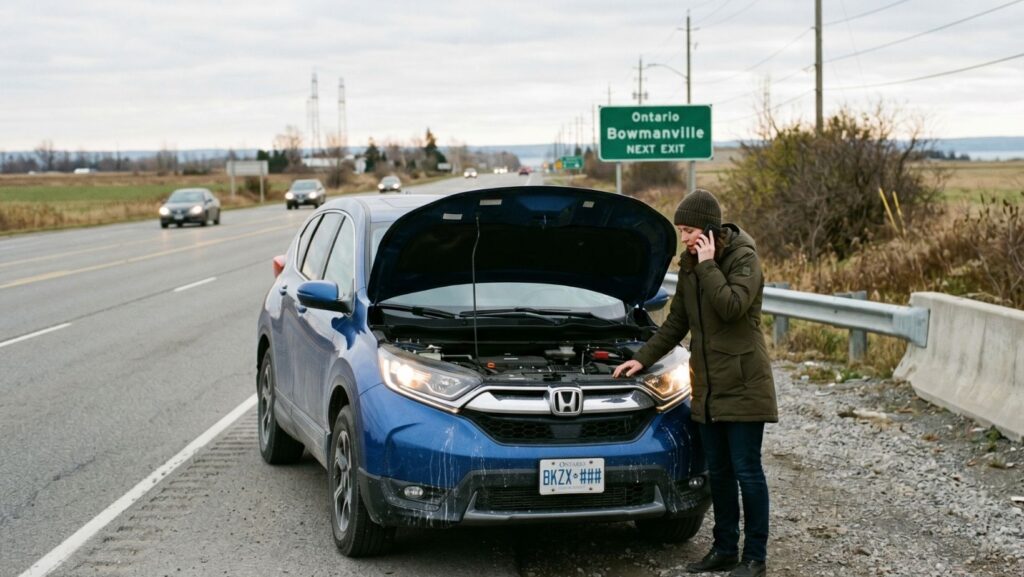
Living in the Durham Region means you’re no stranger to long commutes along Highway 401, quick errands through Oshawa’s busy streets, or scenic drives near Bowmanville and the shores of Lake Ontario. Even the most well-cared-for vehicles can leave you stranded at the worst possible moment. That’s why knowing dependable Roadside Assistance Oshawa options or trusted Roadside Assistance Bowmanville services can be a lifesaver when things go wrong but the smartest and most cost-effective strategy is preventing those breakdowns before they happen through consistent, proactive car maintenance.
At Detail Chip, we’ve helped thousands of Ontario drivers keep their vehicles reliable year after year. In this in-depth guide, we’ll walk through the most common causes of roadside emergencies in our region, back them up with relevant Canadian statistics, and share practical maintenance strategies that actually work. Whether you drive a daily commuter on the 401, a family SUV, or a work truck navigating Durham’s mix of urban and rural roads, these insights will help you reduce stress, lower costs, and stay safer on the road.
UNDERSTANDING THE REAL COST OF ROADSIDE BREAKDOWNS IN ONTARIO
Roadside assistance calls are far more common than most drivers realize. According to industry reports, the Canadian vehicle roadside assistance market was valued at over USD 1.1 billion in recent years, with towing and recovery services making up the largest portion of those calls. In Ontario, drivers face thousands of breakdowns and collisions every year, many of which could have been avoided with proper maintenance.
Highway 401, which runs directly through Oshawa and Bowmanville, is one of the busiest transportation corridors in North America. Daily traffic volumes in the Durham Region section often exceed 140,000 vehicles. Combined with Ontario’s harsh seasonal weather from freezing winters with heavy road salt to hot, humid summers the risk of unexpected stops increases significantly.
Canadian motor vehicle data from recent years shows that mechanical failures contribute to a notable percentage of roadside incidents. Factors such as dead batteries, flat tires, overheating engines, and fuel system issues are especially prevalent in regions with high daily mileage like Durham. These problems not only disrupt your day but can lead to higher insurance premiums, lost work time, and expensive repair bills when small issues are left unaddressed.
The economic impact is substantial. Nationwide, poor road conditions and vehicle wear are estimated to cost Canadian drivers billions annually in extra operating and repair expenses. For the average Ontario driver, this can translate into hundreds of dollars per year in avoidable costs. By contrast, drivers who maintain their vehicles on a regular schedule report significantly fewer emergency situations and enjoy greater long-term reliability.
COMMON ROADSIDE BREAKDOWN CAUSES AND HOW PROPER MAINTENANCE PREVENTS THEM
Most roadside assistance requests in Ontario stem from a predictable set of mechanical issues. Understanding these vulnerabilities and addressing them through routine care is one of the most effective ways to stay off the side of the road.
Battery and Electrical System Failures
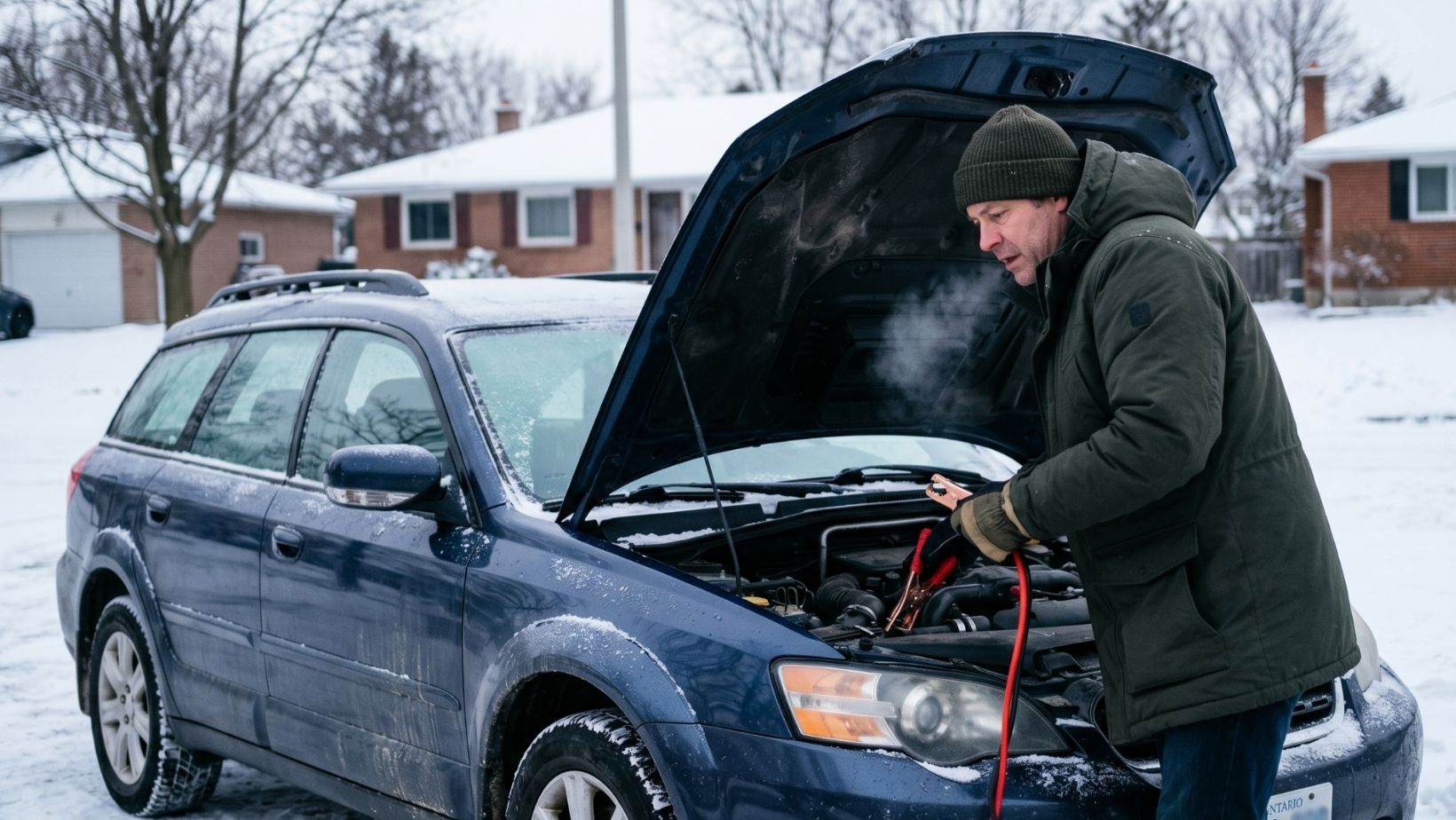
Cold Ontario winters are particularly tough on vehicle batteries. Low temperatures reduce battery capacity, and repeated short trips around Oshawa or Bowmanville often fail to fully recharge the system. Canadian roadside assistance providers consistently report a sharp increase in battery-related calls between November and March.
To prevent this, have your battery tested every fall before winter sets in. Clean any corrosion from the terminals, ensure all connections are tight, and replace the battery every three to five years depending on your driving habits and age of the vehicle. Modern cars with advanced electronics and start-stop systems place even greater demands on the electrical system, making regular alternator and belt checks during oil changes essential.
Drivers who combine proper battery maintenance with occasional longer highway runs on the 401 tend to experience far fewer starting problems, even during the coldest months.
Tire Problems and Blowouts
Flat tires and tread-related issues rank among the top reasons for roadside stops, especially on roads affected by winter potholes, construction zones, and debris. Ontario’s freeze-thaw cycles create challenging driving surfaces throughout the Durham Region.
Maintaining correct tire pressure is one of the simplest yet most overlooked habits. Check pressures monthly and adjust for seasonal temperature changes every 10°C shift can affect pressure by roughly 1 PSI. Rotate tires every 8,000 to 10,000 kilometres, inspect tread depth regularly (Ontario’s legal minimum is 1.5 mm, but experts recommend at least 4 mm for safe wet and snow performance), and ensure wheels are properly balanced.
For Durham drivers who face gravel roads, salted highways, and heavy commuter traffic, choosing quality all-season or dedicated winter tires matched to your vehicle makes a measurable difference in reducing roadside tire emergencies.
Engine Overheating and Cooling System Issues
Summer heat combined with stop-and-go traffic on the 401 can quickly overheat an engine if the cooling system is neglected. Worn hoses, low coolant levels, or a failing thermostat are frequent culprits behind roadside breakdowns.
Follow manufacturer recommendations for coolant flushes typically every two to five years or 60,000 to 100,000 kilometres. Inspect belts, hoses, and the radiator for signs of wear or leaks during every major service. Using the correct antifreeze mixture is critical in Ontario’s climate to prevent both freezing in winter and boiling in summer. Addressing temperature warning lights immediately can prevent minor issues from turning into major engine damage and costly towing situations.
Fuel System and Running Out of Gas
Running low on fuel or dealing with clogged fuel filters remains surprisingly common, especially for busy drivers juggling commutes between Oshawa and Bowmanville. In winter, condensation in the fuel tank can freeze lines if the tank is frequently near empty.
Keep your fuel level above a quarter tank, particularly during cold months. Replace fuel filters according to your vehicle’s service schedule and consider periodic fuel system cleaning additives during oil changes. For the growing number of hybrid and electric vehicle owners in the Durham Region, understanding real-world range in local weather conditions and planning around available charging infrastructure adds another important layer of preparedness.
Brake System and Other Critical Safety Components
Brakes are among the most vital safety systems, and their failure can lead to serious incidents requiring immediate roadside assistance. Ontario’s mix of highway speeds and frequent stops accelerates brake wear.
Regular brake inspections including pad thickness, rotor condition, and fluid levels should be part of every major service visit. Addressing unusual noises or pedal feel early prevents both safety risks and expensive emergency repairs.
Other frequent contributors to breakdowns include transmission problems, alternator failures, and suspension wear. The majority of these issues develop gradually and can be caught early through consistent maintenance at recommended intervals (typically every 8,000–12,000 km or 6–12 months).
SEASONAL MAINTENANCE STRATEGIES TAILORED TO DURHAM REGION DRIVING
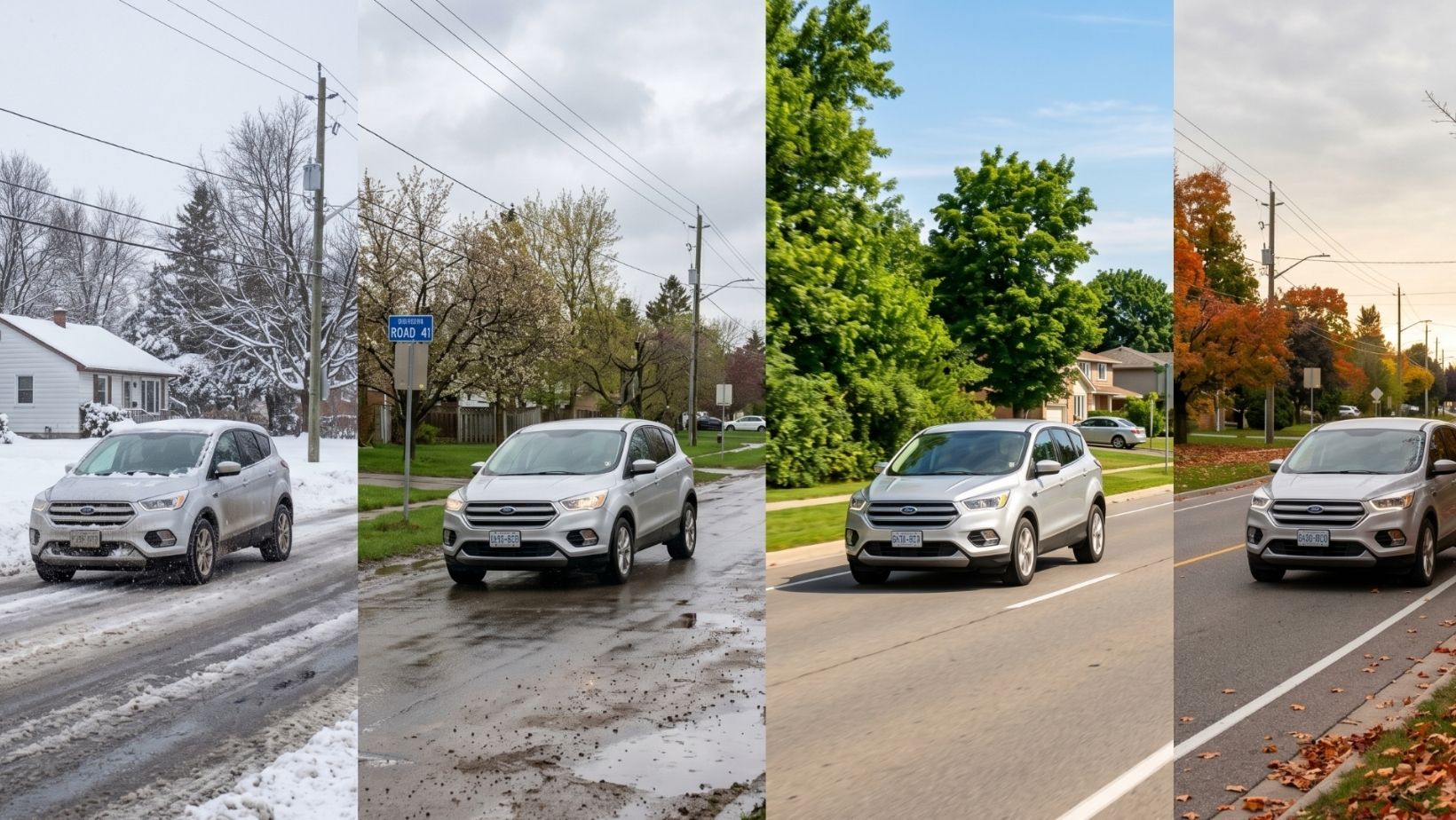
Ontario’s four distinct seasons demand a proactive approach to vehicle care. Drivers in Oshawa, Bowmanville, and surrounding communities face unique challenges: heavy road salt in winter, lake-effect snow near Lake Ontario, construction on the 401, and hot, humid summers.
Pre-Winter Preparation
Before the first major snowfall, schedule a comprehensive inspection that covers battery health, tire condition (including switching to winter tires if appropriate), wiper blades, washer fluid with antifreeze, and undercarriage rust protection. Road salt used liberally on Durham roads accelerates corrosion, making underbody washes and protective treatments especially valuable.
Spring and Summer Tune-Ups
After winter, focus on removing accumulated salt and grime, inspecting brakes that have endured months of salted roads, and ensuring the air conditioning system is operating efficiently for the hot months ahead. Checking coolant levels and hoses becomes critical as temperatures rise.
These seasonal habits, when performed consistently, significantly reduce the likelihood of unexpected roadside stops throughout the year.
BUILDING AND MAINTAINING AN EFFECTIVE ROADSIDE EMERGENCY KIT
Even the best-maintained vehicles can encounter issues, so preparation remains important. A properly stocked emergency kit can turn a stressful situation into a manageable one.
Essential items include reflective warning triangles or flares, a compact tire inflator or full-size spare with jack and lug wrench, jumper cables or a portable battery booster, basic hand tools, a first-aid kit, flashlight with spare batteries, blankets, non-perishable snacks and water, a multi-tool, phone charger, and versatile items like duct tape or zip ties.
For Durham Region drivers, add winter-specific gear such as an ice scraper, snow brush, small shovel, and extra washer fluid. Store everything in a durable, easily accessible container in the trunk or cargo area. Review and refresh the kit twice a year during seasonal maintenance visits to ensure nothing has expired or lost functionality.
WHAT TO DO WHEN A BREAKDOWN HAPPENS DESPITE YOUR BEST EFFORTS
Safety is the priority if you find yourself pulled over. Move the vehicle as far off the roadway as possible, activate hazard lights, and set out warning devices well behind your car, especially important on busy sections of Highway 401. Stay inside the vehicle with doors locked if traffic feels unsafe, and contact professional roadside assistance rather than attempting complex repairs in hazardous conditions.
Modern vehicles often come with manufacturer-provided roadside assistance, and many insurance policies include coverage as well. Knowing local, reliable options in the Durham Region can mean faster response times when every minute counts.
Technology tools such as real-time traffic apps and Durham Region road alerts can also help you anticipate and avoid problem areas or construction zones.
THE LONG-TERM BENEFITS OF CONSISTENT CAR MAINTENANCE
Drivers who treat maintenance as a non-negotiable part of vehicle ownership see clear advantages. Consistent care typically leads to better fuel economy, improved resale value, fewer insurance claims, and substantially lower overall ownership costs over time. In a region like Durham, where many residents commute significant distances for work, school, and recreation, reliable transportation directly impacts quality of life.
At Detail Chip, we’ve observed that informed drivers who understand their vehicle’s needs and follow recommended service intervals experience far fewer disruptions. Documenting your maintenance history also proves valuable for insurance claims or when selling your vehicle.
WHY DURHAM REGION DRIVERS FACE UNIQUE MAINTENANCE CHALLENGES
The stretch of Highway 401 through Oshawa and Bowmanville carries some of the highest traffic volumes in Ontario outside of Toronto. Commuters deal with sudden weather changes influenced by Lake Ontario, heavy truck traffic, and ongoing infrastructure projects. Local attractions such as the Oshawa Waterfront, Bowmanville’s historic downtown, and nearby parks encourage additional leisure driving that still requires a dependable vehicle.
Road salt applied generously each winter accelerates rust on undercarriages, while construction zones and potholes from freeze-thaw cycles add extra stress to tires and suspension components. By adapting maintenance routines to these local realities more frequent undercarriage cleaning, vigilant tire monitoring, and proactive battery and cooling system checks drivers in the area can stay ahead of potential problems.
FINAL THOUGHTS ON STAYING SAFE AND RELIABLE ON ONTARIO ROADS
Preventing roadside breakdowns comes down to consistent, informed action rather than luck. By integrating these maintenance practices into your routine, you’ll spend far more time enjoying your drives whether heading to work in Oshawa, running errands in Bowmanville, or exploring the Durham Region and far less time dealing with emergencies.
Making car maintenance a priority is one of the most practical ways Ontario drivers can protect themselves, their passengers, and their wallets.
FREQUENTLY ASKED QUESTIONS
What are the most common causes of roadside breakdowns for drivers in the Durham Region?
The leading causes include dead batteries during cold weather, flat or damaged tires from potholes and debris, engine overheating in summer traffic, and fuel system issues. Harsh Ontario winters and high traffic volumes on Highway 401 make these problems more frequent, but regular maintenance greatly reduces the risk.
How often should I have my vehicle serviced to minimize the chance of needing roadside assistance?
Most manufacturers recommend service every 8,000–12,000 kilometres or every 6–12 months, with additional seasonal inspections before winter and summer. For Durham drivers facing heavy road salt and variable weather, annual comprehensive checks are highly beneficial.
What items should every Ontario driver keep in their roadside emergency kit?
Include warning triangles, jumper cables or a battery booster, tire repair tools or spare, first-aid kit, flashlight, blankets, snacks, water, and basic tools. Durham Region drivers should add winter essentials like an ice scraper, snow brush, and extra washer fluid.
When should I call professional roadside assistance instead of trying to fix the problem myself?
Call professionals for any situation involving towing, complex electrical or brake issues, or when stopped on busy highways like the 401 where safety is a major concern. Attempting risky repairs roadside can lead to bigger problems and higher costs.