
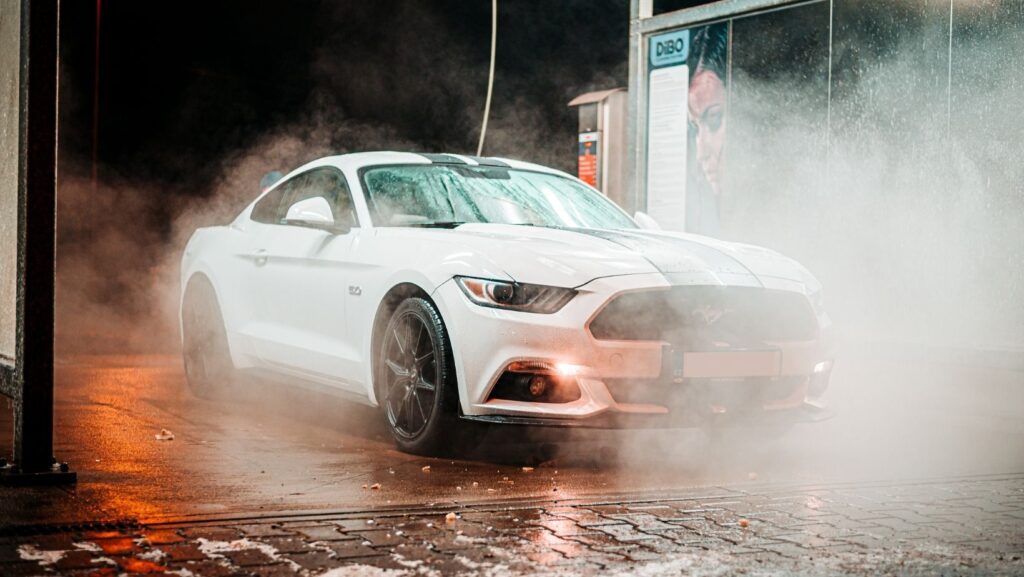
There was a time when a bucket, a sponge, and a Sunday afternoon felt like enough. Today, that approach is quietly giving way to something more thorough. According to data from the International Carwash Association, the share of drivers who use professional cleaning services most often rose from 50% in 1996 to 79% in 2023. That is not a small shift. It reflects a real change in how people think about their vehicles.
So what is actually driving this trend? The answer involves time, results, and a growing understanding of what a car actually needs to stay in good condition.
The Real Cost of DIY Detailing
DIY detailing seems inexpensive on the surface. You buy a few products, spend a few hours, and the car looks cleaner. But the full picture is rarely that simple.
Common problems with the DIY approach include:
- Wrong products for your paint type, which can cause micro-scratches or swirl marks
- Incomplete interior cleaning that misses bacteria, allergens, and embedded odors
- No access to professional-grade equipment like steam cleaners, dual-action polishers, or paint correction tools
- Time investment that runs three to five hours for a thorough job, often with inconsistent results
The issue is not effort. It is that effective detailing requires a specific combination of knowledge, tools, and products that most households simply do not have.
What Professional Detailing Actually Covers
Professional car detailing goes beyond what most people achieve at home. A trained detailer works systematically across every surface of the vehicle, using products and techniques matched to the specific materials involved.
Exterior Detailing
Exterior work typically includes a multi-stage wash process, clay bar treatment to remove bonded contaminants, paint decontamination, polish, and a protective finish such as carnauba wax, paint sealant, or ceramic coating. Each of these steps addresses a different layer of wear, and skipping any one of them leaves results incomplete.
Interior Car Detailing
Interior car detailing is where professional service often makes the most noticeable difference in daily driving. A thorough interior session covers deep vacuuming of carpets and upholstery, steam cleaning of hard surfaces, leather conditioning, odor elimination, and glass treatment. The goal is not just cleanliness but the preservation of materials that degrade without regular care.
For families, pet owners, and anyone who spends significant time in their vehicle, the hygiene benefits alone tend to justify the cost.
Why Results Look and Last Differently
There is a visible gap between what a DIY wash achieves and what a professional detail produces. Part of this comes down to equipment. Professionals use tools designed specifically for automotive surfaces, including variable-speed polishers, high-powered extraction machines, and steam units capable of reaching areas that cloth and brushes cannot.
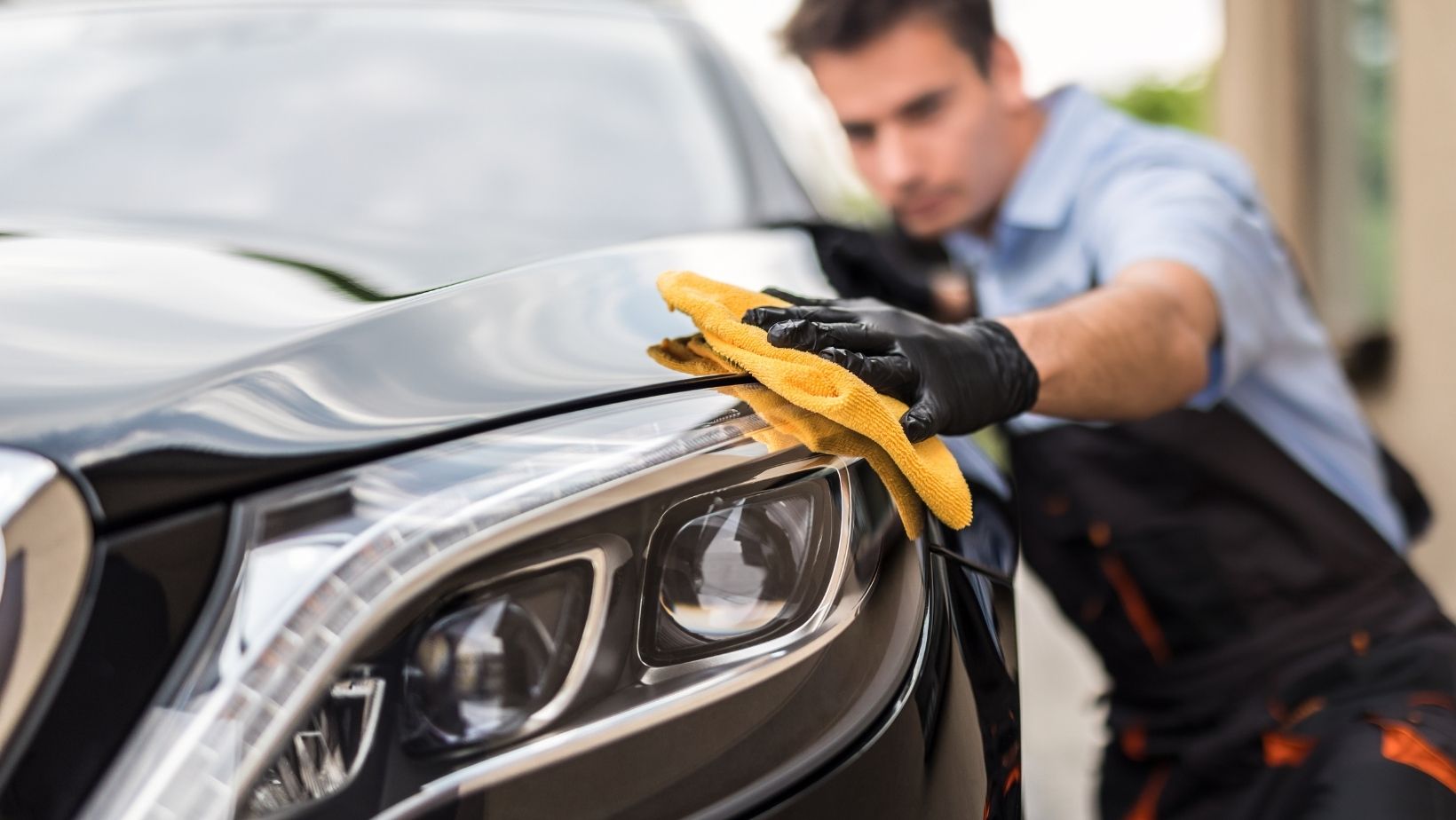
The other part is product knowledge. Professional-grade compounds, coatings, and conditioners behave differently from store-shelf options. They bond more effectively, last longer, and are formulated to work with specific substrates.
A ceramic coating applied by a professional, for instance, provides hydrophobic protection that can last years. A DIY spray wax might last weeks.
The Vehicle Value Argument
Resale value is a practical reason many drivers make the switch to professional care. A well-maintained interior and exterior signals to buyers that a vehicle has been looked after. Visible damage from improper cleaning, faded trim, cracked leather, or oxidized paint all reduce perceived and actual value.
Regular professional detailing, particularly in high-UV or high-humidity environments, extends the life of exterior coatings and interior materials in ways that directly translate to higher resale returns.
Local Access Has Changed the Equation
One older barrier to professional detailing was convenience. Getting an appointment, dropping the car off, and arranging alternative transport made it feel like a production.
That barrier has largely disappeared. Mobile detailing services, flexible scheduling, and the density of professional shops in most metro areas mean that access is no longer the issue it once was. For drivers across the country, finding professional car detailing services in Florida and surrounding areas is now a straightforward process, with a range of service packages available at different price points.
The market reflects this. The global car detailing services industry was valued at approximately $41.4 billion in 2024, with North America accounting for around 35% of that revenue. Demand continues to grow as more drivers recognize the difference between maintaining and merely cleaning a vehicle.
When DIY Still Makes Sense
Professional detailing is not necessary after every drive. Quick maintenance washes, interior touch-ups between sessions, and basic dust removal are all reasonable tasks for home care. The strongest case for DIY is routine upkeep between professional appointments, not as a replacement for them.
A practical approach for most drivers is a full professional detail two to four times a year, with light home maintenance in between. This keeps the vehicle in consistent condition without requiring a professional visit every time the floor mats need a shake.
What to Look for in a Detailing Service
Not all detailing businesses operate at the same standard. Before booking, it is worth checking a few things:
- What is included in each package, specifically whether interior and exterior are treated separately or together
- Product transparency, meaning whether the shop can tell you what brands and compounds they use
- Training and experience of the detailers, particularly for paint correction or ceramic coating application
- Reviews that describe specific outcomes, not just general satisfaction
A quality detailing shop should be able to answer questions about their process without hesitation. That level of transparency is a reasonable signal of professionalism.
The Shift Is About Standards, Not Just Convenience
The broader trend toward professional detailing is not purely about saving time. It reflects a shift in expectations. Drivers increasingly understand that a vehicle is an asset, that its interior environment affects daily wellbeing, and that protecting the exterior is more cost-effective than repairing it.
The data, the market growth, and the behavior of millions of drivers all point in the same direction. Professional car detailing has become a standard part of vehicle ownership for people who want consistent, quality results. The bucket and sponge still have their place. But for anything beyond a surface clean, the professional difference is real and measurable.