
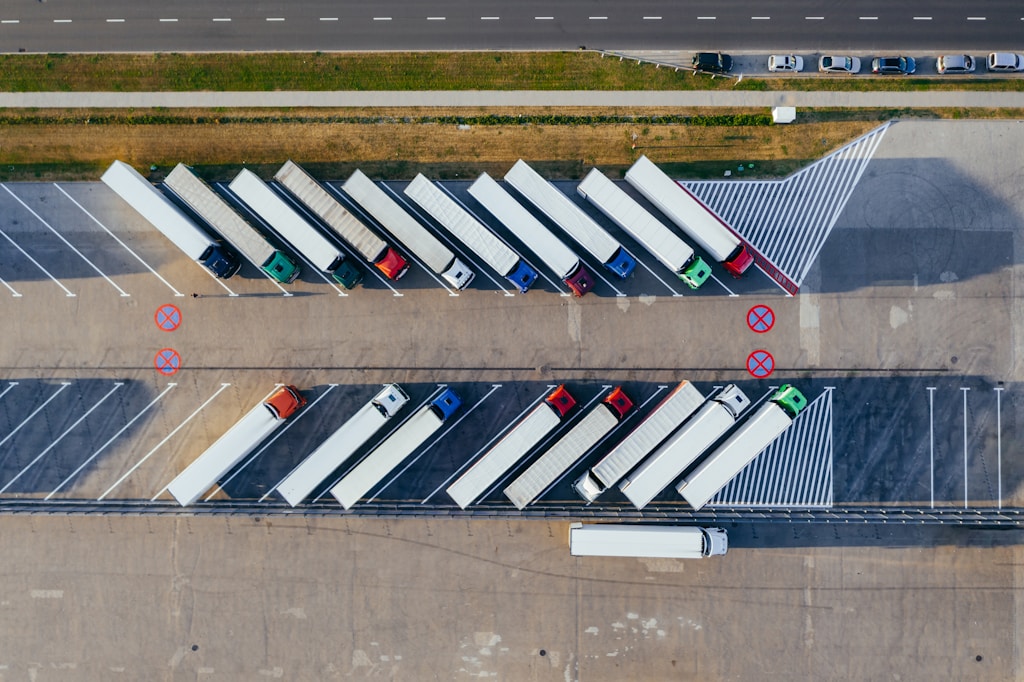
Do you also see the transportation industry changing faster than ever before? In these circumstances, transport companies must grapple with rising vehicle operating costs, increasingly stringent regulations, and customer expectations for timeliness and service quality.
It’s no exaggeration to say that properly preparing a truck fleet is currently becoming one of the most important elements in building a competitive advantage.
- Do modern knowledge sources help you better manage your fleet?
- How can you reduce truck operating costs?
- Why is digitalization becoming the standard in transportation?
Modern vehicle management is no longer limited to regular technical inspections – it also encompasses the digitization of processes, driver training, and cost optimization. Let’s dive in!
Do modern knowledge sources help you better manage your fleet?
Let’s start from the fact that effective fleet management requires constant monitoring of changes taking place in the industry. It’s crucial to stay up-to-date, which is why carriers are increasingly using professional portals, reports, and specialized services dedicated to heavy transport.
Access to current knowledge can allow you to react more quickly to changing market conditions and plan investments. You will also learn which solutions are worth implementing to increase operational efficiency, ultimately reducing the risk of costly errors and certainly improving the utilization of your fleet’s potential.
How can you reduce truck operating costs?
It’s no exaggeration to say that, despite all the changes, fuel, service, and unplanned downtime remain among the biggest challenges for carriers. Regular technical diagnostics and maintenance schedules based on the actual condition of vehicles are crucial here. It’s also beneficial to have a reputable component supplier like Big Rig World on hand. Furthermore, telematics systems that monitor driver driving style are becoming increasingly popular. Data on harsh braking, acceleration, and engine idling can help reduce fuel consumption by up to several percent (!) and for large fleets, this translates into truly measurable annual savings.
Why is digitalization becoming the standard in transportation?
There are many reasons. However, the growing number of orders and the need for efficient document management are at the forefront – these issues absolutely compel transport companies to invest in digital solutions. This is especially true since fleet management systems today enable real-time monitoring of vehicle locations, route planning and driver performance analysis.
Automation is undeniable. It allows companies to respond more quickly to delays, optimize vehicle utilization and even – reduce the number of empty runs. This is especially important when customers expect complete transparency in their transport operations – and that’s the reality we find ourselves in today.